How Device-Led Employee Benefits Create High Impact Without Additional Budget Burden

Summary
Device-led employee benefits are reshaping how Indian enterprises deliver meaningful perks without increasing costs. By combining payroll deductions, structured leasing, and strategic partnerships, Employee Purchase Programs drive engagement, productivity, and retention while preserving cash flow.
The New Economics of Employee Benefits in a Cost-Conscious Era
HR and finance leaders across India are navigating a delicate balance. Employees expect modern, relevant benefits that reflect how they work and live today. Leadership teams, meanwhile, are under pressure to control costs, protect cash flow, and justify every rupee spent. Traditional employee benefits programs often struggle to meet both goals. Salary hikes permanently increase fixed costs. One-time perks generate excitement but fade quickly. Reimbursements and allowances add administrative complexity and compliance risk. This is where device-led benefits are changing the conversation. Instead of spending more, organizations are rethinking how benefits are structured, financed, and delivered.
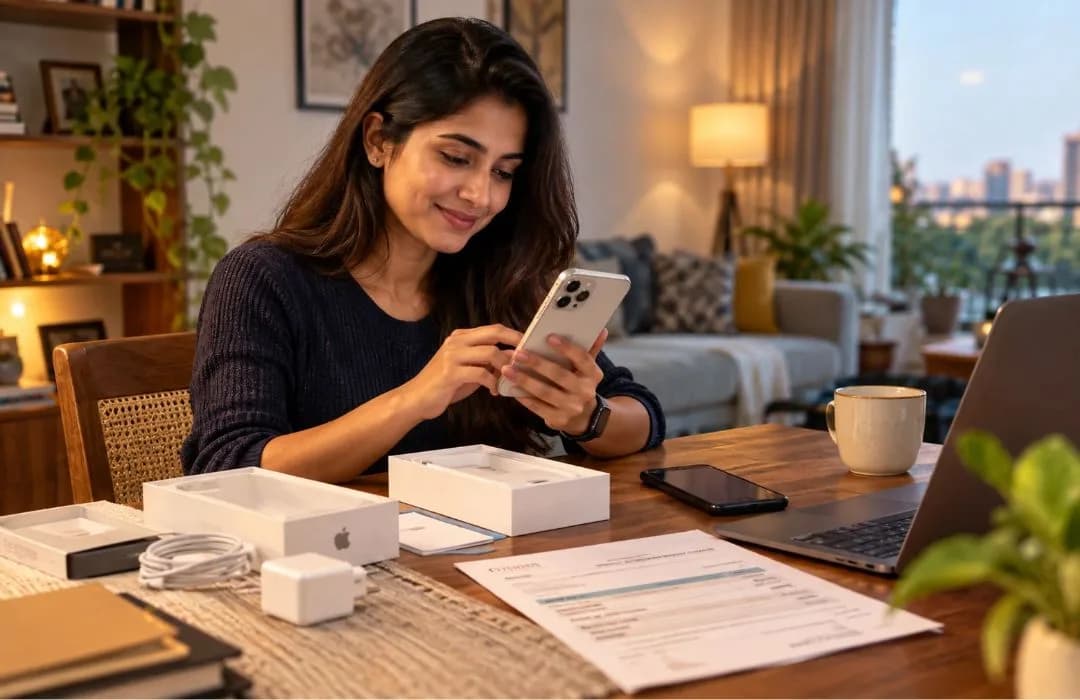
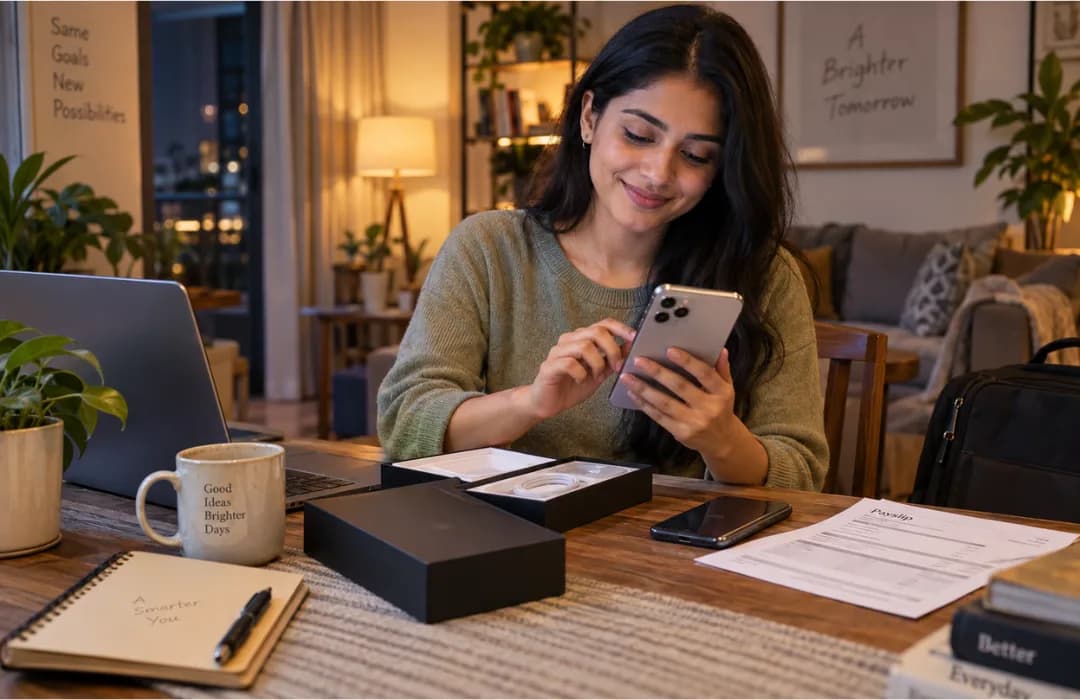
An Employee Purchase Program, sometimes referred to as a Smart Employee Purchase Program or EPP+, enables employees to access premium devices through payroll deductions or structured leasing, without any upfront corporate spend. The result is a benefit that feels high-value to employees while remaining cost-neutral for employers. A device-led employee benefits program aligns with these realities without forcing HR teams to redesign compensation structures or increase benefits budgets.
How an Employee Purchase Program Works in Practice
An Employee Purchase Program makes premium devices more accessible to employees while keeping the financial burden away from the organization.
For employees, the experience is simple:
Access devices like iPhones, Google Pixel phones, and Samsung smartphones
No upfront payment
Easy monthly payroll deductions
Discounted corporate pricing
For companies, the program remains operationally light:
No capital investment or inventory management
Automated payroll deductions
Minimal administrative overhead
Zaggle’s Employee Purchase Program works with established partners to offer structured leasing models, transparent pricing, and dependable fulfillment. From a finance perspective, it helps protect cash flow while delivering a benefit employees genuinely value.
The Budget Advantage HR and Finance Teams Are Looking For
One of the most significant pain points for CFOs and finance heads is benefit creep. Minor additions to employee perks often accumulate into high recurring costs over time. Device-led benefits avoid this trap. Since employees fund their purchases through salary deductions, the organization does not carry depreciation, asset risk, or balance sheet impact. There is no need to allocate capital budgets or manage write-offs.
In conversations with enterprise HR and finance teams, we often see benefits discussions stall because even small recurring perks gradually increase fixed costs. Device-led programs tend to gain attention because they deliver visible employee value without adding balance sheet pressure.
In many cases, employees may also be eligible for tax benefits depending on their employment structure and usage, making the program even more attractive from a personal finance standpoint. This structure makes the Employee Purchase Program especially relevant for medium to large enterprises with distributed teams and channel partner networks, where standardizing benefits without escalating costs is a persistent challenge.
Evaluating cost-neutral benefits for your workforce?
Understand zero-cost benefit structures.
Book a Demo Now.
Why the Financial Structure Matters
One reason Employee Purchase Programs are gaining traction is because the tax and ownership structure can be more efficient for both employers and employees. Under both the old and new Indian tax regimes, employer-provided laptops and mobile phones used for work purposes are treated as non-taxable perquisites. Similarly, official mobile and internet reimbursements remain tax-exempt against actual bills.
In many programs, the device is financed through a partner-led structure instead of sitting on the company’s balance sheet. This helps organizations avoid depreciation management, asset recovery, and capital allocation pressures. If ownership is later transferred to the employee, the taxable value is calculated after applying prescribed depreciation rules.
For HR and finance teams, the model offers:
Lower balance sheet impact,
Predictable payroll administration,
A high-value benefit without increasing fixed costs.
When Employee Engagement Improves Without Policy Overhauls
Employee engagement initiatives often fail not because they are poorly designed, but because they feel disconnected from everyday work. A new phone or device, on the other hand, is immediately tangible. It impacts communication, productivity, and even professional confidence. Employees perceive this as a practical investment in their work life, not a symbolic perk. This aligns with broader employee benefits trends as well. According to MetLife’s Employee Benefit Trends Study, 82% of employees who understand their benefits say those benefits give them a greater sense of overall stability at work. Device-led benefits resonate particularly well because employees associate them with immediate day-to-day utility rather than symbolic rewards.
Consider a scenario. An HR head at a pan-India sales-driven organization wants to improve engagement scores without revisiting compensation bands mid-year. Introducing a device-led employee benefits program gives employees access to premium devices they already want, without altering salary structures or incentive plans. This is where employee perks and benefits evolve from being feel-good initiatives into operational enablers.
When benefits are structured thoughtfully, they can also improve personal financial outcomes, as seen in tax-efficient employee benefits that directly increase take-home pay, strengthening both engagement and perceived value.
A Subtle Shift from Spend Management to Value Management
Forward-looking organizations are reframing benefits discussions. The question is no longer how much we spend on benefits, but how much value employees experience per rupee of effort. Employee Purchase Programs support this shift. They deliver perceived premium value without premium costs. They also signal trust, flexibility, and modernity, qualities that increasingly influence employer brand perception.
Zaggle’s approach positions the Employee Purchase Program within a broader financial wellness and efficiency ecosystem rather than as a standalone perk. This alignment is particularly relevant for organizations seeking consistency across benefits, expenses, and payroll systems.
Offer meaningful benefits without budget expansion.
Explore device-led benefit frameworks.
Drive engagement now
Closing Thoughts: High Impact Does Not Always Mean High Spend
In an environment where every budget decision is scrutinized, device-led employee benefits offer a rare combination of impact and prudence. They meet employees where their needs are, while respecting financial discipline. By enabling access to premium devices through payroll deductions, organizations can simultaneously strengthen employee engagement, modernize their employee benefits program, and preserve cash flow.
Zaggle’s Employee Purchase Program demonstrates how thoughtfully designed financial products can help enterprises deliver meaningful benefits without additional budget burden, setting a new benchmark for what modern employee perks and benefits can achieve.
Zaggle Admin
Expert contributor and editor at the Zaggle Knowledge Hub, specializing in corporate spend management, expense compliance, and B2B fintech solutions.
In This Article
You May Also Like

How Employee Device Leasing Works in India: Selection, Payroll and Ownership
Posted on : Oct 14, 2026
What Is an Employee Purchase Program? The Complete 2026 Guide for Indian Employers
Posted on : Oct 7, 2026
Why Payroll-Linked Employee Purchase Programs Drive Higher Adoption.
Posted on : Sep 22, 2026