Seven Traits of the Best Employee Purchase Programs with Device Benefits

Summary
The most effective employee benefit programs with device purchases balance employee choice, financial discipline, and operational simplicity. This article explores the shared traits that make these programs sustainable, valued by employees, and trusted by finance and HR leaders.
Why Device-Led Benefits Are Quietly Reshaping Employee Expectations
Across Indian enterprises, the search for the best Employee Purchase Program is being driven by changing employee expectations. Benefits are no longer judged simply by availability. Employees increasingly value programs that offer practical, everyday value.
At the same time, many traditional employee benefits programs face an engagement challenge. According to MetLife's 2025 Employee Benefit Trends Study, a robust benefits package plays an important role in the overall employee experience and job satisfaction, yet many organizations continue to invest in benefits that see limited usage.
This shift has fueled the growth of Employee Purchase Programs that enable employees to acquire premium devices through payroll-linked payment models. While many organizations have introduced such initiatives, only a few achieve strong adoption at scale. The difference often lies not in the devices offered, but in how the Employee Benefit Purchase Program is designed. The most successful programs share a few common characteristics that balance employee engagement, financial discipline, and operational simplicity.
1. They Treat Device Access as a Benefit, not a Reimbursement
One of the most common pitfalls in employee perks and benefits is positioning device purchases as reimbursements. Reimbursements introduce delays, documentation fatigue, and tax ambiguities. They also disproportionately favor employees with higher disposable income. High-performing Employee Purchase Programs turn this around. Devices are positioned as an optional benefit embedded within the broader employee benefits program.
Employees opt in, select from curated device options, and repay through structured payroll deductions. There is no upfront financial burden and no post-purchase reimbursement cycle. This approach aligns with a broader shift where benefits perceived as enabling everyday productivity tend to score higher on employee engagement metrics than episodic perks.
2. They Protect Corporate Cash Flow with Zero Liability Design
Finance leaders evaluate benefits through a different lens than employees. Predictability, zero balance sheet impact, and governance clarity matter as much as employee satisfaction.
The strongest employee benefit purchase programs are deliberately structured to operate at zero corporate cost. The organization does not fund the device, carry receivables, or manage repayment risk. Payroll deductions act as the collection mechanism, while partners handle device sourcing and financing.
This structure ensures that offering premium devices does not distort working capital or introduce hidden liabilities. In our experience, programs that minimize employer funding requirements and administrative involvement are often easier to expand across larger employee populations.
This is where solution providers like Zaggle have set a benchmark by embedding payroll logic, compliance workflows, and partner orchestration into a single framework rather than treating the benefit as an exception.
3. They Balance Employee Choice with Enterprise Control
Choice is central to perceived value in employee benefits. However, unrestricted choice creates procurement chaos and governance risk. The most effective programs strike a balance. Employees choose from a pre-approved catalog of premium devices, typically spanning smartphones and productivity hardware from brands like Google, Apple, and Samsung. These devices are sourced through authorized distribution partners such as Redington, Ingram Micro, and Rashi Peripherals, helping ensure product authenticity, warranty support, and supply chain reliability. At the same time, enterprises retain control over vendors, pricing, tenure, and security standards.
This balance helps improve employee engagement without introducing shadow IT risks, fragmented procurement processes, or inconsistent device management practices across the organization.
If you are exploring how digitally managed benefits frameworks simplify governance, you can learn more in our blog on Building Smarter Workplaces with Digitally Managed Zero-Cost Employee Benefits.
Explore structured benefit models.
Reduce cash flow pressure now.
Enable smarter choices now.
4. They Integrate Seamlessly with Payroll and HR Systems
Programs that require manual tracking inevitably fail at scale. HR and finance teams already manage complex payroll, tax, and compliance processes. Any employee benefit program that adds parallel workflows quickly loses internal support.
High-performing Employee Purchase Programs are payroll-native. Deductions are automated, tenure is pre-defined, and employee lifecycle events such as exits or role changes are managed through system workflows rather than manual intervention. Many modern programs are also designed to work alongside leading HRMS and payroll platforms such as SAP SuccessFactors, Darwinbox, Keka, and Zoho People.
This level of integration goes beyond operational convenience. It helps reduce manual errors, supports compliance requirements, and builds trust among employees who can clearly track deductions and repayment timelines through their pay slips. In our experience, payroll-linked benefits are generally easier for HR and finance teams to administer consistently across larger employee populations.
For organizations evaluating payroll-aligned benefits, you may want to read our blog on: Financial Wellness at Work: The Zero-Cost Way to Engage and Retain Talent.
5. They Deliver Tangible Value Without Creating Tax Confusion
Tax efficiency remains one of the most misunderstood aspects of employee perks and benefits. Poorly designed benefits often create unexpected tax liabilities for employees, eroding perceived value.
Well-designed Employee Benefit Purchase Programs are transparent about tax treatment, eligibility criteria, and employee obligations. Depending on the program structure, organizations may need to evaluate considerations such as perquisite valuation under Section 17(2) of the Income Tax Act, applicable Flexi Benefit Plan (FBP) policies, and GST treatment. Clear communication around these aspects helps employees make informed decisions and reduces the likelihood of confusion later.
This clarity is important because employees are more likely to participate in benefits they understand. Programs with straightforward eligibility, predictable deductions, and clearly defined tax implications typically see stronger adoption than those with complex or unclear structures.
For a deeper understanding of how benefits influence net pay perception, consider reading How Smart Tax Planning Turns Employee Benefits into Bigger Take-Home Pay.
6. A Mature Partner Ecosystem backs them
No Employee Purchase Program succeeds in isolation. Device availability, warranty support, financing reliability, and logistics execution all shape the employee experience. The most reliable programs are supported by established distribution partners. These partnerships ensure access to authentic devices, predictable supply chains, and structured leasing models that scale across geographies.
From an enterprise perspective, this reduces vendor risk and ensures consistency across locations. From an employee perspective, it builds confidence that the benefit is not experimental or temporary. This ecosystem-led approach distinguishes mature employee benefits programs from ad hoc initiatives that struggle to sustain momentum beyond pilot phases.
Simplify benefit governance.
Align payroll and devices now.
Book a Demo Now.
7. They Are Easy to Implement and Hard to Misuse
Complex benefits rarely survive internal scrutiny. CHROs and CFOs increasingly favor programs that can be rolled out quickly, communicated clearly, and audited easily. The best employee purchase programs emphasize hassle-free implementation. Clear eligibility rules, automated workflows, and enterprise-grade security controls reduce friction for all stakeholders.
In practice, programs designed around these principles can often be implemented within 4 - 6 weeks rather than requiring lengthy policy redesign or operational changes. This allows organizations to introduce meaningful employee benefits without creating additional administrative burden.
This is where Zaggle’s approach subtly stands out. By combining payroll deduction, zero corporate cost, and enterprise security into a single framework, the program minimizes both effort and risk without compromising employee value.
Why These Common Traits Matter More Than Ever
As organizations evaluate Employee Purchase Programs, it can be useful to step back and assess the characteristics that consistently appear in high-adoption programs. The following checklist provides a simple framework for evaluating whether a program is designed for long-term success.
Checklist: 7 Traits of the Best Employee Purchase Programs
Trait | Why It Matters |
1. Device Access as a Benefit | Makes premium devices accessible without reimbursement complexity. |
2. Zero Corporate Cost Structure | Preserves cash flow and avoids additional financial liabilities. |
3. Employee Choice With Governance | Balances employee flexibility with procurement and security controls. |
4. Payroll-Native Design | Automates deductions and simplifies administration for HR and finance teams. |
5. Transparent Tax Treatment | Helps employees understand eligibility, deductions, and tax implications. |
6. Strong OEM and Distribution Ecosystem | Ensures reliable access to authentic devices, warranty support, and supply continuity. |
7. Simple Implementation and Governance | Enables faster rollout, easier management, and better long-term adoption. |
Employee expectations around benefits continue to evolve, while organizations remain focused on cost control and operational simplicity. The most successful Employee Purchase Programs balance both priorities.
For enterprises looking to modernize employee perks and benefits without increasing costs, these seven characteristics provide a useful benchmark. They often determine whether a program becomes a valued employee benefit or simply another policy on paper.
Design smarter benefits.
Protect cash flow now.
Book a demo now.
Conclusion
The best employee benefit programs with device purchases, such as Zaggle’s, succeed because they respect both employee aspirations and enterprise realities. By embedding choice, automation, and financial discipline into the program design, organizations can deliver meaningful benefits without compromise. As Employee Purchase Programs mature, those built on these shared principles will continue to set the benchmark.
Ultimately, the best Employee Purchase Programs are distinguished not just by the devices they offer, but by how effectively they incorporate these seven design principles into the employee experience.
Disclaimer: This article is for informational purposes only and does not constitute tax advice. Organizations should consult their tax advisors and compliance professionals regarding the applicability of Section 17(2), GST provisions, and benefit taxation rules to their specific circumstances.
FAQs
What makes an Employee Purchase Program successful?
The most successful Employee Purchase Programs combine employee choice, payroll-linked payments, simple administration, and clear governance. They are easy for employees to use and easy for organizations to manage.
What devices can employees buy through an Employee Purchase Program?
Most programs offer premium smartphones and productivity devices from brands such as Google Pixel, Apple, and Samsung through authorized channels.
How do the best Employee Purchase Programs handle taxation?
They provide clarity on eligibility, deductions, and applicable tax treatment. Organizations should consult their tax advisors regarding Section 17(2), GST implications, and company-specific policies.
What partners are typically involved in an Employee Purchase Program?
Programs typically involve device manufacturers, authorized distributors, financing or leasing partners, payroll teams, and the program provider.
How are top Employee Purchase Programs different from regular reimbursement schemes?
Reimbursement schemes require employees to pay first and claim later. Employee Purchase Programs use structured payroll deductions, reducing upfront costs and administrative effort.
Zaggle Admin
Expert contributor and editor at the Zaggle Knowledge Hub, specializing in corporate spend management, expense compliance, and B2B fintech solutions.
In This Article
You May Also Like
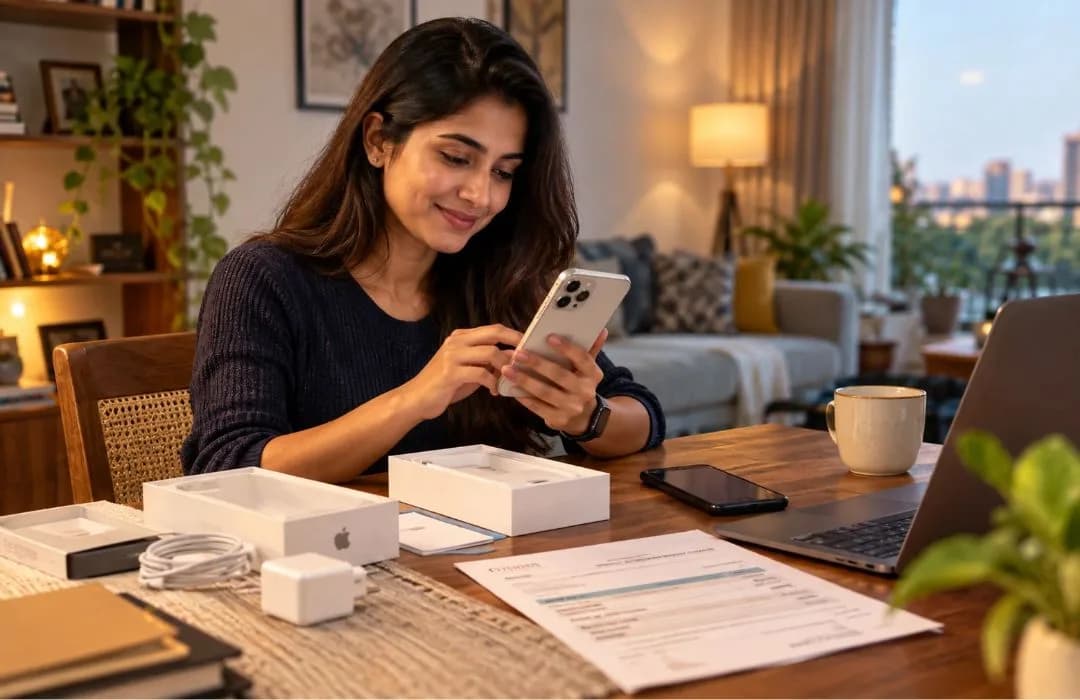
What Is an Employee Purchase Program? The Complete 2026 Guide for Indian Employers
Posted on : Oct 7, 2026
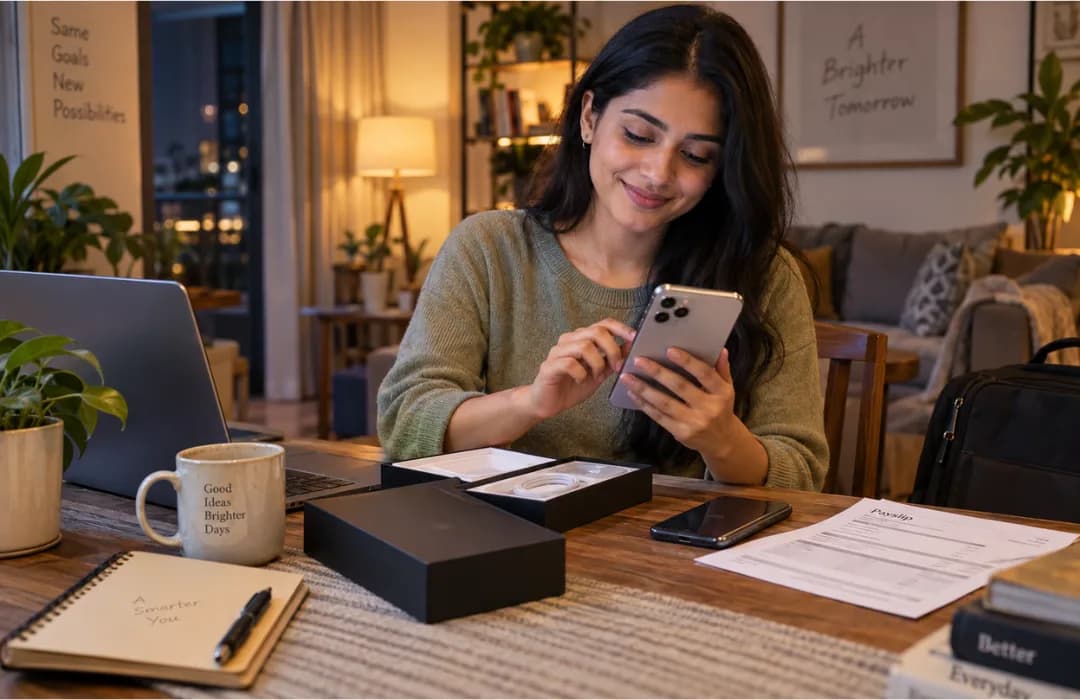
Why Payroll-Linked Employee Purchase Programs Drive Higher Adoption.
Posted on : Sep 22, 2026

How to Build an Employee Purchase Program with Premium Protection and Seamless Experience
Posted on : Sep 15, 2026