
How to Spot and Forecast Expense Spikes Early Across Branches
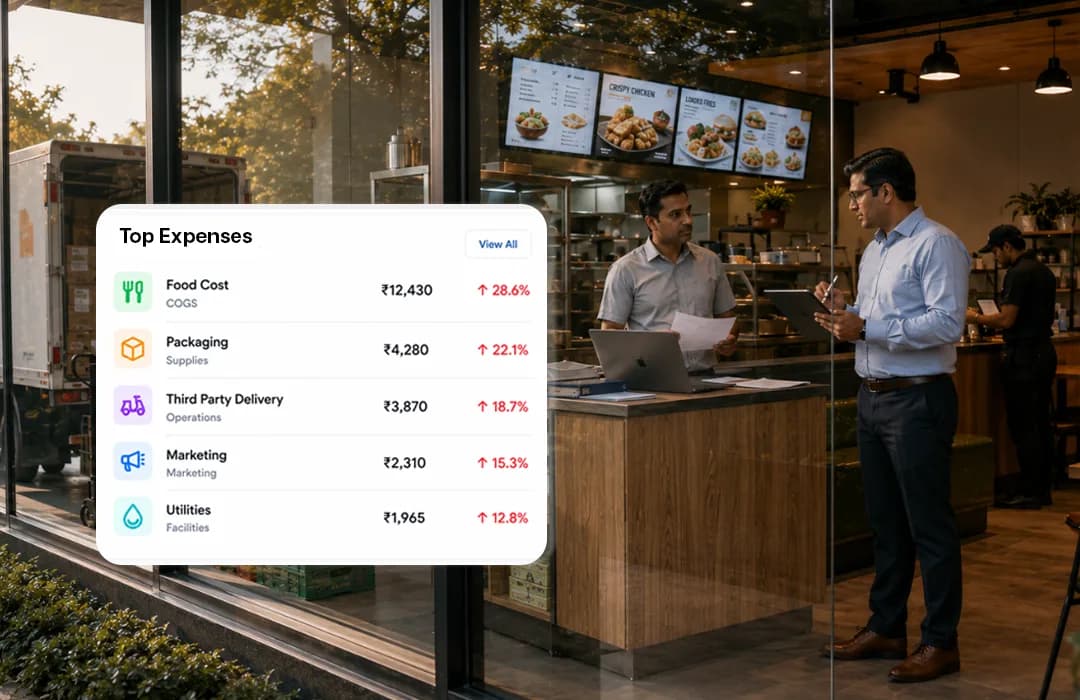
Unmanaged expense spikes in Quick Service Restaurants (QSRs) can trigger a spiral of chaos, undermining operational costs and profitability. Under such circumstances, finance teams often struggle to track unplanned spending, leading to cash flow leaks and delayed decision-making.
Without structured petty cash controls, minor expenses become unpredictable threats to financial stability. These disruptions can inflate costs while degrading customer satisfaction and brand reputation.
According to QSR Magazine, a lack of detailed daily expense tracking, especially for small transactions, leads to substantial cumulative losses and poor financial visibility in multi-branch QSR operations.
This chaotic cycle intensifies when unmanaged expenses surge across multiple branches, making it harder to forecast and control costs. Fragmented tracking masks early warning signals, worsening financial impacts across locations. Leveraging a disciplined petty cash management solution is the ideal way to restore clarity, accountability, and control.
Finance teams require early-warning systems to spot emerging expense spikes and forecast them before costs escalate across the branches. By harnessing real-time financial data, AI-driven monitoring, and centralized expense tracking, businesses can enable timely intervention across multiple locations.
Understanding Branch Expenses for Quick Service Restaurants
The cost of the branch encompasses the full spectrum of operational expenses required to maintain a QSR branch. The efficiency and effectiveness of managing these costs determine profitability, resource allocation, and long-term financial sustainability.
The two broad categories into which these costs fall have different impacts on economic performance:
Direct Expenses
These are the operational costs that directly affect the daily operations and profitability of QSRs. These include fixed occupancy costs, such as rent and leases, which remain unchanged regardless of sales volume.
Another essential category is utilities, which cover the cost of electricity, water, gas, etc. Often, the largest variable expense is labor costs, including salaries, payroll taxes, employee benefits, and training. These also include food and inventory costs, supplier and procurement costs, marketing and advertising campaign expenses, and maintenance and repairs.
Indirect Expenses
These encompass a range of costs essential to the smooth operations and long-term viability of QSR businesses. These include administrative overheads such as office supplies, branch-level management tasks, and overall coordination efforts.
In addition, insurance expenses and costs incurred for technology systems, such as point-of-sale (POS) solutions, inventory management software, and branch expense management systems, represent critical investments.
Why Effective Petty Cash Management Matters
QSRs require effective petty cash management for real-time visibility into small but recurring expenses across multiple branches. This can prevent cash leakages, which cumulatively impact profitability. Opting for an automated petty cash system enables CFOs and finance teams to:
Track Branch Profitability and Financial Performance
Identify high-performing and underperforming branches to enable smarter resource allocation and improved returns.
Control and Reduce Costs
Detect unnecessary spending, optimize labor and inventory use, and negotiate stronger supplier terms to improve margins.
Benchmark Performance across Branches
Compare cost structures between locations to uncover inefficiencies and enhance decisions on staffing, marketing, and daily operations.
How Automated Systems Helps You Spot Expense Spikes Early
Cash management solutions like Zaggle give finance teams real-time control over branch-level spending by monitoring every cost category in one place. With automated checks and centralized insights, you can detect unusual expense spikes before they impact profitability.
Here’s how a smart system can be a gamechanger:
Capture Digital Receipts Instantly: Use OCR-enabled digital receipts to speed reporting and reduce manual entry errors.
Integrate Expense Policies Automatically: Ensure employees follow spending rules with built-in policy checks, validations, and real-time alerts.
Automate Approval Workflows: Set up multi-level automated approvals to avoid delays and eliminate manual follow-ups.
Schedule Reimbursements with Precision: Use automated payout cycles to prevent delays and improve employee satisfaction.
An automated branch expense management system enables QSR finance teams to stay ahead of rising costs through intelligent forecasting and data-driven insights. Here is how they work:
The platform uses historical expense data to identify spending trends and predict future spikes.
Branch-level budgeting tools help managers plan for upcoming expenses and allocate resources efficiently.
Automated reconciliation and policy checks ensure forecasts are accurate and based on reliable data.
Advanced dashboards and reports provide insights that help finance teams proactively adjust budgets.
Automated systems like Zaggle simplify petty cash management with real-time insights and help identify and prevent fraud. It also helps maintain accuracy and consistency across every location. You can track and control petty cash, utility bills, and rental payments across all branches from a single platform.
Conclusion
Spotting expense spikes across QSR branches is crucial to maintaining financial stability and preventing budget overruns. Manual monitoring often leads to delayed responses, hidden inefficiencies, and missed opportunities to control costs.
By adopting predictive analytics, businesses can identify spending patterns early, anticipate fluctuations, and proactively manage costs. An automated petty cash management solution like Zaggle offers features, such as instant digital receipt capture with OCR, automated policy enforcement, multi-level approval workflows, and scheduled reimbursements, all centralized on a single platform to track every cost category across branches.
This system eliminates manual errors, reduces cash leakage, and improves compliance, empowering finance teams to forecast and proactively control expenses. By leveraging Zaggle, QSR finance teams can break the spiral of chaotic expense spikes, optimize cash flow, and sustain profitability across their multi-branch operations.
Frequently Asked Questions
What causes expense spikes in multi-branch Quick Service Restaurants?
Unplanned operational disruptions, such as uncaptured petty cash expenses, increased labour costs, and a surge in utility charges, can cause these spikes. Fragmented expense tracking and a lack of real-time visibility aggravate the issue, making it even more difficult for the finance teams to identify the early warning signals.
How do unmanaged petty cash expenses impact QSR profitability?
If finance teams fail to handle petty cash spending in a timely manner, it can lead to cash leakage from untracked or fraudulent expenses. These minor but recurring spending can erode a QSR’s profit margins over time. To ensure financial stability and introduce predictability, multi-branch QSRs need robust controls.
How does poor expense visibility affect decision-making in QSR finance teams?
Without proper visibility of expenses, QSRs face delayed identification of cost overruns. This leads to hidden inefficiencies that obstruct timely, informed decision-making. To allocate budgets accurately, optimise resource utilization, and proactively manage branch expenses, CFOs require consolidated and real-time expense data.
What are the benefits of automating petty cash management for QSRs?
Automating petty cash management through solutions like Zaggle offers real-time expense tracking, policy enforcement, and digital approval workflows. This software reduces errors, fraud, and delays while enhancing financial transparency and improving cash flow control, which empowers finance teams to forecast and prevent expense spikes effectively.
What features should a branch expense management solution have to be effective?
An effective branch expense management solution should include instant digital receipt capture with OCR, multi-level approval workflows, and centralized multi-branch expense tracking. Moreover, leveraging data-driven forecasting tools and advanced dashboards enables finance teams to get actionable insights. These features provide clear visibility, accountability, and timely intervention to control costs.
Zaggle Admin
Expert contributor and editor at the Zaggle Knowledge Hub, specializing in corporate spend management, expense compliance, and B2B fintech solutions.
In This Article
You May Also Like

UPI for Business: What Finance Teams Should Set Up Before Rolling It Out to Employees
Posted on : Sep 25, 2026
How Automated Dashboards Improve Decision-Making for Retail CFOs
Posted on : Aug 18, 2026

Benefits of Automating Monthly Expense Reconciliation Across Branches
Posted on : Jul 21, 2026