
What Is an Employee Purchase Program? The Complete 2026 Guide for Indian Employers
Summary
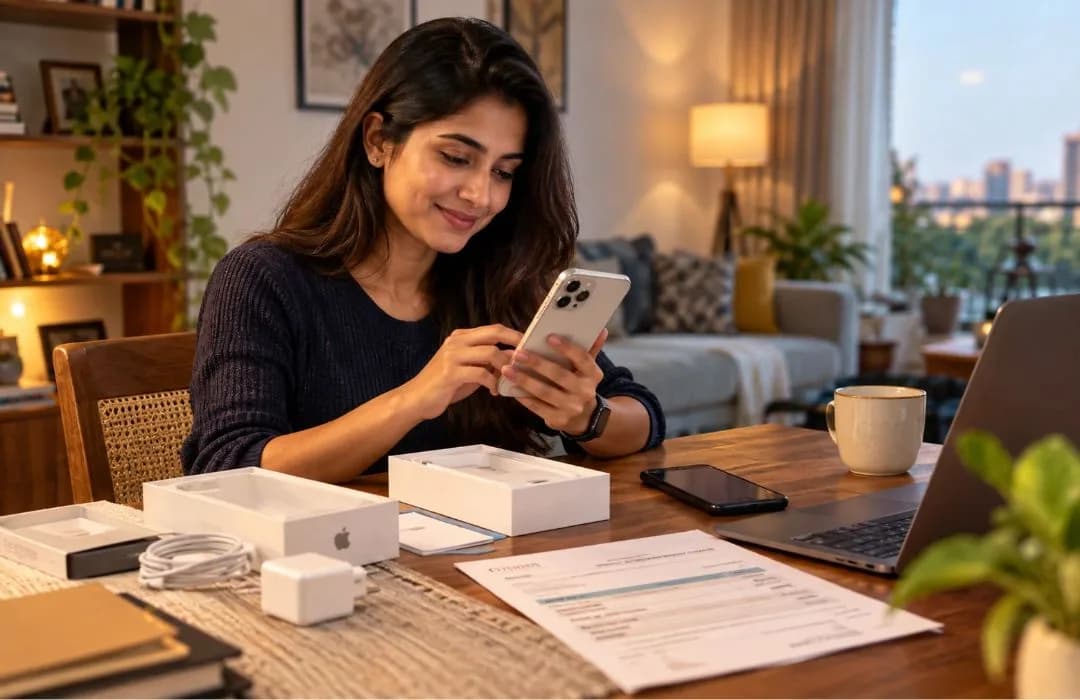
An employee purchase program can make premium devices more accessible through payroll-linked payments. This guide explains how EPPs work and explores models that offer zero upfront employee payment, digital administration, payroll integration, device protection, and zero corporate liability, along with the tax and governance considerations employers should evaluate.
Why Employee Purchase Programs Are Getting HR's Attention
HR leaders are under pressure to offer benefits employees genuinely value without continually adding to employer costs or administrative work. Device access is one area where this balance matters. Employees may want premium smartphones, laptops, or tablets, but the upfront cost can make these purchases difficult or easy to postpone.
An employee purchase program offers another way to structure this benefit. Through payroll-linked models, organizations can give employees greater choice and make eligible devices more affordable without necessarily funding the purchase themselves. This guide explains how these programs work in India, where the value comes from, and what HR leaders should consider before introducing one.
Key Takeaways
An employee purchase program can help employees access eligible premium devices with zero upfront payment, with the cost structured through monthly payroll deductions.
The program can be structured with zero corporate liability, avoiding upfront employer investment while still offering employees a meaningful device benefit.
Digital administration connects device selection, approvals, payroll deductions, records, and reporting, reducing the effort required to manage the program at scale.
Tax efficiency can add to the value of the program, but the structure and applicable benefits should be validated by the organization's tax, finance, HR, and legal teams.
What Is an Employee Purchase Program?
An employee purchase program, or EPP, is an employer-enabled benefit that gives eligible employees access to products such as smartphones, laptops, tablets, and accessories under defined program terms.
The structure can vary. In an outright purchase model, the employee purchases the device under terms made available through the employer program. A lease-based arrangement may involve the device being leased for a defined period, with ownership or transfer governed by the applicable agreement. A payroll-linked device benefit can spread the employee’s payments across scheduled salary deductions. These models are not necessarily interchangeable, and payment, ownership, and end-of-tenure terms depend on how the program is structured.
An EPP also goes beyond offering employees a corporate discount. A structured program can bring device selection, employee eligibility, approvals, payroll deductions, fulfillment, device protection, and reporting into one managed journey. For HR and finance teams, this can provide greater control and visibility while making the experience simpler for employees.
Why Are Employee Purchase Schemes Becoming More Relevant?
Employee benefits have to work across a workforce with different needs, preferences, and spending priorities. An employee purchase program gives employees the choice to participate rather than providing the same device or benefit to everyone. This makes it different from a standard employer-issued device, while giving HR a way to offer something useful without assuming that every employee will value it equally.
Flexibility, device choice, and the ability to spread payments instead of making a large upfront purchase can make an EPP a practical addition to the benefits mix. The next consideration is how to translate that flexibility into a program that works smoothly for employees, HR, finance, and payroll teams.
How Does a Payroll-Linked Employee Purchase Program Work?
The exact process depends on the provider and program structure. In Zaggle’s model, the journey follows four broad steps:
Program setup: The employer works with the program provider and leasing partner to define eligibility, program terms, available devices, approval rules, and payroll requirements.
Device selection: Eligible employees browse available smartphones, laptops, tablets, and accessories through the app and select a device based on their needs and program eligibility.
Approval and fulfillment: The request moves through automated approvals on the admin dashboard. Once approved, the device is processed for fulfillment under the applicable program arrangement.
Payroll deductions: Monthly deductions are processed through payroll according to the agreed tenure and program structure. Payment, leasing, and eventual ownership terms are governed by the applicable agreements.
For HR, finance, and payroll teams, running the program at scale also means defining how to handle:
Employee eligibility and participation frequency
Purchase limits and approval rules
Payroll mapping and deductions
Employee exits and exceptional cases
Records, reconciliation, and reporting
Getting these operating rules clear at the outset helps ensure that what employees experience as a relatively simple device purchase is supported by a well-defined process behind it.
Simplify Employee Device Purchases with Zaggle
See how digital workflows streamline device selection, approvals and payroll deductions.
Where Does the Value for Employees Come From?
For employees, affordability is often the most immediate value. In payroll-linked models like Zaggle, eligible employees can access devices with zero upfront payment. The cost is then spread across structured monthly payroll deductions over the agreed tenure.
Affordability: Zero upfront payment can make premium devices easier to access without requiring a large one-time expense.
Device choice: Depending on the program, employees can choose from eligible smartphones, laptops, tablets, and accessories available within the approved device catalog.
Device protection: Some programs also include protection during the lease term. For example, this can cover accidental damage, liquid damage, and theft, subject to the applicable policy terms.
Digital convenience: A digitally managed program can connect device selection, approvals, delivery, payroll deductions, and records within a more streamlined journey.
Ultimately, the value depends not only on what employees can access, but also on how easily they can use the benefit.
For a deeper look at this relationship between convenience and adoption, explore Why Payroll-Linked Employee Purchase Programs Drive Higher Adoption.
What Should Employers Gain From an EPP?
An employee benefit cannot be evaluated only through employee savings. It also has to make financial and operational sense for the organization.
In models such as Zaggle’s EPP, the program is structured with zero upfront corporate investment and no balance-sheet impact. This allows employers to offer a device benefit without directly funding employee purchases. Zero corporate liability, however, does not mean zero employer involvement. HR, finance, and payroll teams still need to define policies, establish eligibility, and align the program with internal processes.
The operational value comes from reducing the work required once those rules are in place. Automated approvals can apply eligibility and policy limits consistently, while payroll integration helps manage monthly deductions. Downloadable reports and digital records also give finance and payroll teams greater visibility into program activity.
For employers, a useful measure of success is therefore not simply how many devices are purchased. Participation, administrative effort, exception rates, payroll accuracy, and employee satisfaction together provide a better picture of whether the program is delivering value at scale.
How Should HR Measure Whether an Employee Purchase Program Is Working?
Launching an EPP is only the beginning. To understand whether it is delivering value, HR can look at three areas:
Adoption
Eligible employee participation rate
Device category and price-band preferences
Utilization across locations or employee groups
Operational efficiency
Approval and fulfillment turnaround times
Support queries and exception rates
Program completion and employee exit-related exceptions, where tracked
Employee experience
Employee satisfaction with the purchase journey
Feedback on device choice, accessibility, and ease of participation
For a geographically distributed enterprise, regional trends can add another layer of insight. Lower participation in one location could reflect differences in eligibility, affordability, device preferences, employee demographics, or awareness of the program. Looking at these factors together can help HR understand where the program is working well and where it may need adjustment.
What About Tax Benefits and Compliance?
Tax efficiency can be one of the attractions of a device-led benefit, but it depends heavily on how the program is structured. India's 2026 Income-tax Rules distinguish between the use of employer-owned or hired movable assets and the subsequent transfer of movable assets to employees. These distinctions can affect how a benefit is valued and treated as a perquisite. Payroll deductions alone should therefore not be assumed to create tax savings. Employee income-tax treatment can depend on factors such as device ownership, usage, transfer terms, employee contribution, employer policy, applicable tax provisions, and individual circumstances.
The employer's GST position is a separate consideration. Depending on the structure of the arrangement, organizations may also need to assess the applicable GST treatment and whether any input tax credit is available. This should be evaluated independently of the employee's income-tax position.
For this reason, the final program structure and any tax-saving claims should be validated by the organization's HR, payroll, finance, tax, and legal teams, along with Zaggle's tax or legal team where applicable. Tax and compliance requirements are best considered while designing the program rather than after it has been launched.
What Should Employers Look for Before Choosing an EPP?
The device catalog and potential employee savings may attract initial attention, but employers need to evaluate how the program will work across HR, finance, payroll, and employee workflows.
A practical evaluation checklist should cover:
Device availability: Are the relevant smartphones, laptops, tablets, and accessories available within the program?
Pricing transparency: Can employees clearly understand device costs, payroll deductions, tenure, and other applicable charges?
Employee eligibility: Can the organization define who can participate, along with purchase limits and program rules?
Payroll integration: How easily can monthly deductions be aligned with existing payroll processes?
Automated approvals: Can eligibility and approval rules be applied without creating additional manual work?
Protection coverage: What protection is provided for accidental damage, liquid damage, and theft, and what exclusions apply?
Fulfillment: How are device delivery, tracking, and related support managed?
Exit management: What happens to outstanding deductions and device ownership if an employee leaves during the program tenure?
Reporting: Can finance and payroll teams access downloadable records without creating another manual reconciliation exercise?
Data security: How is employee, payroll, and transaction data protected throughout the program?
Scalability: Can the same process continue to work efficiently as employee participation increases?
Corporate liability: Can the program operate without upfront corporate investment or balance-sheet impact? Any zero-corporate-liability proposition should be assessed against the actual financing and contractual structure.
For large enterprises, scalability deserves particular attention. A program designed for a few hundred participants should not require substantially more manual intervention when participation runs into thousands.
You can explore these considerations further in Seven Traits of the Best Employee Purchase Programs with Device Benefits.
Considering an EPP for a larger workforce?
See how digital administration can simplify it.
Where Does Zaggle Fit into the Employee Purchase Program Model?
Zaggle's Employee Purchase Program brings device access, payroll-linked payments, protection, and digital administration into one structured program. Eligible employees can choose from available premium smartphones, tablets, laptops, and accessories with zero upfront payment. Selection and approvals are handled digitally, followed by monthly payroll deductions under the agreed program structure.
The program works with a leasing partner, with payment, ownership, and end-of-tenure terms governed by the applicable agreements. Device protection covers accidental damage, liquid damage, and theft during the lease term, subject to policy terms and exclusions.
Zaggle states that eligible employees can save up to 48% through applicable tax and payroll benefits. Actual savings will vary based on individual circumstances, program structure, and applicable tax treatment.
For employers, the program is designed around zero upfront investment and no balance-sheet impact, while automated approvals, payroll alignment, and enterprise-grade reporting help reduce administrative effort. These benefits, including zero corporate liability, remain subject to the applicable financing and contractual structure.
Conclusion: The Better Question Is Whether the Program Can Scale
A well-designed employee purchase program can give employees greater choice and more affordable access to premium devices, while giving HR and finance teams a structured way to manage the benefit. The real test is whether that value can be delivered without adding unnecessary cost, complexity, or compliance risk.
Zaggle brings these elements together through a payroll-linked EPP designed around zero upfront employee payment, digital administration, device protection, and a potential zero-corporate-liability structure.
See how the model could work for your workforce. Explore Zaggle's Employee Purchase Program
Frequently Asked Questions on Employee Purchase Program
1. What is an employee purchase program?
An employee purchase program is an employer-enabled benefit that gives eligible employees access to products under defined program terms. Depending on the model, it may include payroll-linked payments, leasing, or other arrangements. See the section “What Is an Employee Purchase Program?” above for a detailed explanation.
2. How does an employee purchase scheme work in India?
An employer typically defines eligibility and program rules with its EPP partners. Employees select an eligible device, complete the required approval process, and receive the device after approval. Payments are then handled through scheduled payroll deductions according to the program structure. Digital platforms can automate selection, approvals, payroll alignment, records, and reporting to reduce manual administration.
3. What is the difference between an EPP and a device reimbursement program?
With reimbursement, employees typically purchase an eligible device and later claim the applicable amount under company policy. An EPP provides a structured program covering eligibility, approvals, payment arrangements, and other processes. Depending on the model, it may also offer payroll-linked payments or zero upfront payment, but these features are not common to every EPP.
4. Are employee purchase programs taxable in India?
Tax treatment depends on how the employee purchase program is structured, including device ownership, usage, payment arrangements, employee contribution, and any eventual transfer of the device. The applicable Income-tax and other tax rules also need to be considered. Employers should have the program structure reviewed by their tax, finance, HR, and legal teams before implementation.
5. Can an employee purchase a premium smartphone without paying upfront?
Yes, if the employer's EPP offers a zero-upfront-payment structure. Eligible employees can access premium smartphones without paying the full amount at once, with payments typically spread across scheduled payroll deductions. The exact payment terms, tenure, eligibility, and device availability depend on the employer's specific program.
6. What devices can be included in an employee device purchase program?
Zaggle's EPP offers access to premium smartphones, laptops, tablets, and accessories. The specific brands, models, and devices available to an employee depend on the current program catalog, employer policy, and eligibility criteria.
7. How can HR measure employee purchase program success?
HR can track participation and utilization to measure adoption, approval and fulfillment times to assess operational efficiency, and employee feedback to understand satisfaction. Reviewing these metrics by location or employee group can reveal where eligibility, affordability, device choice, or the experience needs attention. The findings can then guide decisions on whether to adjust program rules, improve communication, expand device choices, or simplify the process.
8. Can an employee purchase program work for a pan-India workforce?
Yes, provided the program supports the required geographic coverage. Employers should assess whether devices can be fulfilled and supported across employee locations, whether employees can access the program digitally, and whether payroll deductions can be managed consistently across the workforce. Delivery timelines, service coverage, and employee support should also be verified before rollout.
9. What happens if an employee leaves during the EPP tenure?
Exit settlement depends on the program agreement and the employer’s policy. These terms should define how outstanding payments, device ownership or transfer, and any remaining obligations are handled when an employee leaves. Employers should establish and communicate the exit process clearly before employees enroll in the program.
10. What should HR consider when selecting an employee purchase program provider?
HR should evaluate the overall program, not just device pricing. Key considerations include payroll integration, protection and fulfillment, reporting, data security, exit management, and the ability to scale. See “What Should Employers Look for Before Choosing an EPP?” above for a detailed evaluation checklist.
11. Who owns the device at the end of an employee purchase program?
This depends on the lease or purchase agreement. At the end of the tenure, the device may remain with the leasing partner, be returned, or be transferred to the employee under agreed terms. Any residual value, transfer payment, and ownership conditions should be clearly defined in the program agreement and communicated before enrollment.
12. Is participation in an employee purchase program mandatory for employees?
EPPs are generally offered as an optional benefit, subject to the employer’s program rules and eligibility criteria. Before enrolling, employees should review the applicable payroll deductions, tenure, device terms, ownership or transfer conditions, and other obligations to decide whether the program suits their needs.
13. Does an employee purchase program create any cost or liability for the employer?
It depends on how the program is structured. Zaggle's EPP is designed around zero upfront corporate investment and no balance-sheet impact, allowing employers to offer the benefit without directly funding employee devices. However, any zero-corporate-liability treatment depends on the applicable financing and contractual structure. Employers still need to define policies, establish eligibility, and coordinate payroll and other internal processes.
14. What device protection is included in Zaggle's Employee Purchase Program?
Zaggle's EPP includes device protection during the lease term for accidental damage, liquid damage, and theft. This can provide employees with additional protection when accessing higher-value smartphones, laptops, or tablets through the program. Coverage is subject to the applicable policy terms, conditions, limits, and exclusions, which employees should review before participating.
Zaggle Admin
Expert contributor and editor at the Zaggle Knowledge Hub, specializing in corporate spend management, expense compliance, and B2B fintech solutions.
In This Article
You May Also Like
Why Payroll-Linked Employee Purchase Programs Drive Higher Adoption.
Posted on : Sep 22, 2026

How to Build an Employee Purchase Program with Premium Protection and Seamless Experience
Posted on : Sep 15, 2026
Company Car vs Personal Car: Tax Implications for Employees
Posted on : Aug 5, 2026