What is Procurement? The Ultimate Guide for Modern Enterprises
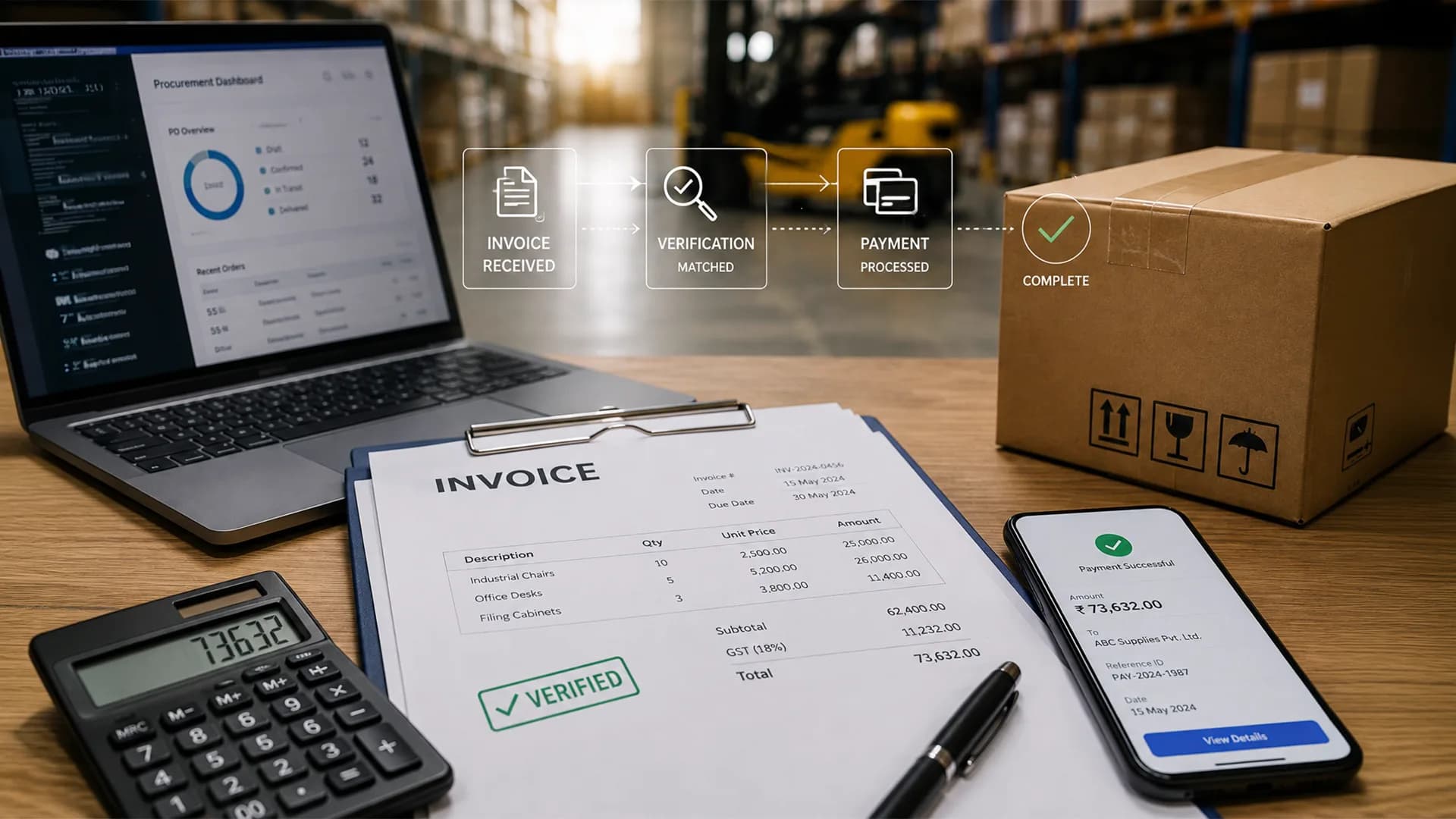
Procurement is the process of sourcing, purchasing, and managing the goods and services an organisation needs to operate. It helps businesses control costs, ensure timely purchases, and maintain compliance. Modern procurement also relies on finance automation to streamline approvals, improve visibility, and reduce manual work.
Every business, small or big, depends in some way on procurement. From sourcing raw materials to getting software licences, it ensures smooth operations. According to Gartner, fewer than one in four procurement organisations have a long-term digital strategy. Organisations with one achieve a 76% improvement in automation and analytics that drive spend visibility, execution speed, and compliance.
Procurement is not just about securing the lowest price. While it helps businesses reduce costs, it also helps build a reliable supplier network. Effective procurement strengthens supply chain resilience by reducing supplier risk and ensuring continuity during disruptions.
It also supports ESG goals by encouraging responsible sourcing and ethical supplier practices. At the same time, it ensures compliance with company policies and industry regulations. This improves operational efficiency and gives businesses better visibility into organisational spending.
For growing enterprises, managing procurement manually can be challenging. Approving multiple quotes, interacting with suppliers, issuing purchase orders, checking invoices, making payments – all this slows down the process. The risk of errors and delays is often a given.
Procurement is becoming increasingly digital as organisations look to improve efficiency, gain better visibility into spending, and reduce manual work. Businesses are replacing disconnected systems with integrated procurement platforms that bring procurement and finance teams onto a single workflow.
Procure-to-Pay (P2P) systems support this shift by connecting purchase requests, supplier management, purchase orders, invoice processing, and payments. This helps organisations streamline procurement while improving transparency and financial control.
What Is Procurement?
The process of getting goods, services and other resources required by a company is what procurement is all about. It begins by identifying a business need. Evaluating potential suppliers comes next, followed by selecting the best one. It continues with raising purchase orders, monitoring deliveries, verifying invoices, and, finally, processing payments.
As you can tell, this is different from simply purchasing. Procurement is a strategic business function. It ensures every purchase delivers value. It thus helps organisations meet requirements related to quality, compliance, and budgets. Generally, a procurement process involves these steps:
· Identifying business needs/requirements
· Initiating purchase requests
· Getting internal approvals
· Assessing or screening suppliers
· Setting the contract terms and prices through negotiation
· Issuing purchase orders
· Receiving the ordered goods or services
· Comparing or verifying invoices with the purchase orders (3-way matching)
· Processing payments
Each stage ensures organisational spending is transparent, controlled, and aligned with business goals.
For example, a marketing team may need new laptops. The procurement team does not buy them immediately. It starts with a purchase request and approval. The team then shortlists suppliers, negotiates pricing, and places the order. Finally, it verifies the delivery, checks the invoice, and processes the payment.
Zaggle's Procure-to-Pay solution simplifies this entire process. It brings purchase requests and approvals into one platform. It also centralises vendor management, purchase orders, and invoice processing.
This eliminates the need for spreadsheets, emails, and disconnected systems. Procurement teams can manage every stage from a single dashboard. This improves visibility, efficiency, and control.
Why Is Procurement Important for Modern Enterprises?
Procurement can have a huge impact on profitability, operational efficiency, and long-term growth. So even small improvements can lead to big savings. Effective procurement strategy benefits businesses in the following ways:
· Reduce Purchasing Costs by 5–20%
Strategic purchasing, competitive sourcing, and supplier negotiation are used to create value. They also support organisations in maintaining quality.
· Increase Operational Efficiency
Procurement workflows are clearly defined to prevent delays. They reduce the risk of supplier miscommunication, missing documents, and approval bottlenecks.
· Develop Better Supplier Relationships
Reliable suppliers build relationships that improve product quality, service reliability, and delivery time.
· Enhance Compliance
Standardised procurement procedures ensure that purchases are in line with the policies of the organisation, contractual obligations and regulatory mandates.
· Improve Financial Visibility
Greater oversight of budgets, cash flow and spend is offered to finance leaders by procurement data. Finance automation is also possible when procurement data is integrated with accounting systems and accounts payable for easier management.
Procurement Process: Step by Step
Procurement workflows vary from organisation to organisation. However, most organisations are following a predefined methodology. This guarantees the authorisation, tracking, and compliance of each purchase.
1. Purchase Request
The process starts with the arrival of a business requirement. Then an employee or department submits a purchase request. The standard request for a list is as follows:
· Product or service required
· Quantity
· Estimated budget
· Business justification
· Delivery timeline
2. Approval Workflow
The purchase request is placed using pre-defined approval hierarchies as per the policies of the organisation. Approvals could include the following:
· Reporting manager
· Department head
· Procurement team
· Finance team
Configurable approval workflows are critical to ensuring purchases are compliant and that there are no unnecessary delays. With Zaggle’s Procure-to-Pay solutions, organisations can set up customisations in their approval hierarchies. They can be configured to fit business rules, spending limits and departments. This makes the process more scalable and flexible.
3. Supplier Sourcing and Evaluation
Procurement teams then identify approved suppliers. Depending on the complexity of the purchase, they may issue the following:
· Request for Information (RFI)
· Request for Quotation (RFQ)
· Request for Proposal (RFP)
These sourcing methods allow the comparison of vendors. They help organisations discover what they can do and what they charge. They also look at the quality and certifications of the product and its overall appropriateness when they decide.
4. Supplier Negotiation and Selection
Once suppliers are evaluated, procurement teams negotiate commercial terms. Most teams are committed to getting the best overall value, not just the lowest price. They also consider quality, delivery timelines, supplier reliability, payment terms, compliance, supplier risk, and supplier scorecards to make informed decisions.
Many organisations also implement reverse auctions, sealed bids, and multi-attribute auctions. These techniques lead to competitive pricing. They encourage suppliers to submit their best and most competitive proposals. They also improve transparency and enable objective buying decisions.
Supplier risk assessments help identify financial, operational, or compliance risks before awarding contracts. Regular supplier scorecards also help track supplier performance over time and support future sourcing decisions.
5. Purchase Order (PO) Creation
The procurement team generates a Purchase Order (PO) once a supplier has been selected. This is a formal purchase authorisation document. It is also a legally recognised contract between the buyer and the supplier.
A purchase order typically includes:
· Supplier details
· Products or services ordered
· Quantity
· Agreed pricing
· Delivery schedule
· Payment terms
· Terms and conditions
The supplier receives the PO, acknowledges it, and starts the fulfilment process.
6. Goods or Services Receipt
When the order is delivered, the organisation checks that the order is according to the specifications agreed upon earlier. For physical goods, the procurement or warehouse team will raise a Goods Receipt Note (GRN) after verifying:
· Quantity received
· Product quality
· Damage during transit
Software development or consulting are examples of services where organisations use a Service Entry Sheet (SES). It confirms the completion of the milestones or deliverables agreed upon earlier.
In the event of any discrepancy, corrective action is taken prior to payment. For goods, that may be the issuance of debit or credit notes for incomplete or damaged deliveries.
7. Invoice Verification and Payment
The last step of procurement is the review of invoices from suppliers before payment.
The majority of organisations use three-way matching, which involves matching these three documents:
· Purchase Order (PO)
· Goods Receipt Note (GRN)
· Supplier Invoice
· OCR
· AI Invoice Capture
· Duplicate Detection
Modern Procure-to-Pay solutions automate invoice verification. They check invoices against purchase records. They also verify GST and TDS compliance and discover duplicate invoices. They then inform customers of discrepancies before processing their payments. This improves financial controls across the organisation and reduces the need for manual intervention.
Types of Procurement
The process for purchasing differs with each transaction. Organisations have different procurement strategies depending on their procurement needs. The method is also dependent on the business goal.
1. Direct Procurement
Direct procurement is the purchase of raw materials and goods. These are directly contributing to a company's product or service. Examples include:
· Raw materials
· Manufacturing equipment
· Components
· Packaging materials
Due to efficient direct purchasing, production is still on schedule. It also helps ensure that deliveries to customers are made on time.
2. Indirect Procurement
Indirect procurement refers to buying the goods and services that help businesses to operate day-to-day. These acquisitions do not affect production directly. Examples include:
· Office supplies
· IT equipment
· Software subscriptions
· Facility management services
· Marketing services
Lower purchases can be done on a case-by-case basis. However, a large proportion of organisational expenses are often spent on indirect purchasing.
3. Goods Procurement
This method of procurement is mostly about physical products, stock, and equipment. These are must-haves for the day-to-day running of a business. Examples include:
· Furniture
· Laptops
· Machinery
· Industrial equipment
4. Services Procurement
Services procurement refers to the purchase of services from outside vendors who provide ongoing support or particular expertise. Examples include:
· Legal services
· Consulting
· IT support
· Cloud services
· Recruitment
· Facility maintenance
Services are often procured on the basis of milestone-based tracking rather than quantity-based verification. This means that organisations need to establish formal procedures for checks and approvals.
5. Emergency Procurement
Emergency procurement is used when goods or services are needed immediately to avoid operational disruptions. The standard procurement process may be shortened to speed up purchasing. Examples include:
Emergency maintenance services
Replacement machinery
Medical supplies
Critical IT hardware
Emergency procurement helps businesses respond quickly while maintaining essential operations.
6. Strategic Procurement
Strategic procurement focuses on long-term value rather than one-time purchases. It involves supplier evaluation, contract negotiations, and spend planning to achieve better business outcomes. Examples include:
Long-term supplier contracts
Category sourcing
Vendor partnerships
Bulk purchasing agreements
This approach helps organisations reduce costs, manage risks, and build stronger supplier relationships.
7. Capital Procurement
Capital procurement involves purchasing high-value assets that support long-term business growth. These assets are typically used over several years. Examples include:
Manufacturing machinery
Company vehicles
Industrial equipment
Commercial property
Capital procurement requires careful planning, budgeting, and approval due to the high investment involved.
8. Project Procurement
Project procurement refers to purchasing goods and services for a specific project. Procurement activities are planned around the project's scope, budget, and timeline. Examples include:
Construction materials
Engineering services
Project management software
Temporary labour
Effective project procurement helps keep projects on schedule and within budget.
9. Framework Procurement
Framework procurement allows organisations to purchase from pre-approved suppliers under agreed terms and pricing. It reduces the need to negotiate every purchase individually. Examples include:
Office supplies
IT hardware
Facility management services
Professional services
Framework agreements help speed up procurement while ensuring consistency and compliance.
Procurement vs Purchasing: What's the Difference?
Although the terms are often used interchangeably, procurement and purchasing are not the same.
Procurement | Purchasing |
Strategic business function | Transactional activity |
Focuses on long-term value | Focuses on completing a purchase |
Includes supplier evaluation and negotiations | Primarily involves placing orders |
Covers contract management and compliance | Ends once goods are purchased |
Includes invoice verification and payment | Limited to buying products or services |
Driven by procurement strategy | Driven by immediate business needs |
Measures supplier performance | Tracks order fulfilment |
Supports spend optimisation | Supports order completion |
Involves multiple stakeholders | Handled by the purchasing team |
Uses supplier scorecards | Uses purchase orders |
In simple terms, purchasing is one stage of procurement.
A procurement strategy manages the entire procurement lifecycle. Purchasing focuses only on executing transactions.
As organisations expand, the sole dependence on buying processes eventually leads to disjointed operations. A single Procure-to-Pay platform combines purchasing, procurement, and payment processing functions. In turn, this provides finance and procurement departments with better control and insight into spending activities across the whole organisation.x
Common Procurement Challenges
Procurement is essential for a business' success. Unfortunately, most companies are still using paper-based and disconnected systems with no integration. This typically results in slow decision making, increased costs, and reduced visibility of the company's spending.
Listed below are some typical procurement challenges that enterprises face:
· Manual Approval Processes
Many organisations still manage approvals through emails, spreadsheets or paper-based workflows. As purchase requests move across multiple stakeholders, approvals can be delayed or overlooked.
This slows procurement cycles and makes it difficult to track the status of requests.
Digital Procure-to-Pay platforms automate purchase approvals. They route requests based on business rules, departments, and spending thresholds. This helps reduce manual follow-ups while maintaining stronger governance.
· Poor Supplier Visibility
Without a centralised supplier database, organisations struggle to evaluate supplier performance consistently. Common issues include:
· Working with duplicate vendors
· Incomplete supplier records
· Limited visibility into supplier history
· Difficulty tracking delivery performance
A structured vendor management process simplifies supplier onboarding. It also helps monitor supplier quality, reliability, and compliance over time.
· Invoice Errors and Payment Delays
Invoice mismatches are one of the biggest causes of delayed supplier payments.
For example, a supplier may invoice 100 units while only 90 units have been received, or pricing may differ from the agreed purchase order.
Without proper validation, businesses risk duplicate payments, disputes or compliance issues. Automated invoice matching identifies discrepancies before payments are processed. This helps procurement and finance teams prevent costly errors.
· Limited Spend Visibility
When procurement data is spread across multiple systems, organisations struggle to get a complete view. They also find it difficult to answer questions such as:
· Which departments spend the most?
· Are purchases staying within budget?
· Which suppliers receive the highest spend?
· Where can costs be reduced?
Without accurate procurement data, strategic sourcing decisions become much harder.
· Compliance Risks
Procurement teams must follow internal policies, contracts, and tax regulations for every purchase. Missing approvals, incomplete documentation, or incorrect invoice processing can increase audit risks. They can also expose businesses to financial penalties.
A complete audit trail improves accountability. It also simplifies compliance reporting.
Supplier Risk
Supplier disruptions can affect production, delivery timelines, and customer satisfaction. Risks such as financial instability, poor quality, regulatory non-compliance, or overdependence on a single supplier can impact business continuity.
Regular supplier assessments and performance reviews help organisations identify risks early and build a more resilient supplier base.
Maverick Spending
Maverick spending occurs when employees make purchases outside approved procurement policies or supplier contracts. This reduces spend visibility and weakens negotiated pricing. It can also increase compliance risks.
Clear procurement policies, approval workflows, and preferred supplier lists help reduce unauthorised spending.
Shadow Procurement
Shadow procurement happens when departments purchase goods or services without involving the procurement team. This often results in duplicate vendors, inconsistent pricing, and poor contract compliance.
A centralised procurement process ensures every purchase follows approved policies and provides better control over organisational spending.
Poor Contract Visibility
Managing supplier contracts across emails, folders, or spreadsheets makes it difficult to track renewal dates, pricing terms, and service-level agreements. This can lead to missed renewals, unexpected costs, or non-compliance.
Maintaining a central contract repository improves visibility and helps procurement teams manage supplier agreements more effectively.
Tail Spend
Tail spend refers to low-value purchases made across a large number of suppliers. Although individual transactions are small, they can account for a significant portion of procurement activity. Managing tail spend manually increases administrative effort and limits opportunities for cost savings.
Analysing tail spend helps organisations consolidate suppliers, standardise purchases, and improve procurement efficiency.
Procurement Best Practices
A good procurement strategy is about more than choosing the right suppliers. It calls for continuous improvement, standard procedures, and sound governance. The following best practices can be adopted to improve the procurement performance of organisations:
Standardisation of Procurement Processes
Use one procurement process for all purchases, no matter which department is making the purchase. Standardised documentation and clear approval hierarchies cut through the confusion. Procurement policies that have been predetermined also enhance compliance throughout the organisation.
Build Strong Supplier Relationships
Treat suppliers as business partners over the long-term, not transactional vendors. Transparent communication builds supplier relationships. Joint planning and regular performance measurement improve service levels, delivery reliability, and quality.
Use Supplier Scorecards
Measure suppliers against predefined KPIs instead of relying on assumptions. Scorecards can track delivery timelines, product quality, pricing, responsiveness, and contract compliance. Reviewing these metrics regularly helps identify reliable suppliers and improve sourcing decisions.
Adopt Category Management
Group purchases into categories such as IT, office supplies, marketing, or raw materials. This helps procurement teams negotiate better contracts, consolidate spending, and identify cost-saving opportunities across similar purchases.
Leverage Data to Drive Better Decisions
Organisations may evaluate supplier performance, purchasing patterns, category spend, and procurement cycle times. These insights help identify opportunities to improve processes and optimise sourcing strategies.
Perform Regular Spend Analysis
Review procurement data regularly to understand where money is being spent. Spend analysis helps identify unnecessary purchases, duplicate vendors, and opportunities for supplier consolidation. It also supports better budgeting and sourcing strategies.
Maintain a Centralised Contract Repository
Store supplier contracts in one secure location. This makes it easier to track renewal dates, pricing terms, service-level agreements, and compliance requirements. A central repository also reduces the risk of missed renewals or outdated contracts.
Conduct Supplier Performance Reviews
Review supplier performance at regular intervals instead of waiting for issues to arise. Discuss delivery performance, quality, service levels, and improvement areas. Regular reviews strengthen supplier relationships and encourage continuous improvement.
Automate Repetitive Tasks
Manual work is routine and takes up a lot of time. This includes invoice verification, purchase approval, document matching, and payment processing. Finance automation reduces this workload. It allows the procurement team to put more focus on procurement strategy, supplier negotiations, and value creation.
Organisations that have adopted Zaggle’s Procure-to-Pay solutions have decreased procurement transaction errors by 50% or more. It improves the accuracy of the process and reduces manual intervention.
Integrate Procurement with Finance
Procurement does not happen in a vacuum. ERP systems connect procurement with finance and accounts payable processes. This provides improved transparency across the full spend lifecycle. It simplifies procurement, invoice processing and payments into a unified workflow.
How Technology Is Transforming Procurement
Modern procurement is rapidly evolving from manual, paper-based processes to intelligent connected platforms. Today’s procurement technology is more than just digitising purchase orders. It manages the entire source-to-pay lifecycle. It also improves operational efficiency, compliance, and visibility.
Key capabilities are:
Procure-to-Pay Capability | What It Helps You Do |
Digital purchase requests and approvals | Create, review, and approve purchase requests digitally |
Supplier onboarding and verification | Onboard suppliers and verify their business credentials |
RFI, RFQ and RFP management | Manage supplier information, quotations, and proposals |
Online supplier negotiations and auctions | Run digital negotiations and competitive bidding events |
Purchase order management | Create, track, and manage purchase orders |
Automated invoice processing | Capture, validate, and process invoices faster |
Three-way invoice matching | Match POs, GRNs, and invoices before payment |
Contract lifecycle management | Store, manage, and renew supplier contracts |
ERP integrations | Connect procurement workflows with ERP and finance systems |
Analytics and reporting | Track spend, supplier performance, and procurement metrics |
Predictive sourcing | Identify the best sourcing opportunities using procurement data |
Supplier recommendations | Recommend suitable suppliers based on business requirements |
Anomaly detection | Detect unusual transactions and potential procurement risks |
Spend analytics | Analyse spending patterns to identify savings opportunities |
Artificial intelligence is also transforming procurement. AI-powered solutions can analyse invoice data and categorise expenses. They verify tax information and identify duplicate invoices. They also identify procurement risks before they affect operations.
Platforms like Zaggle bring all these capabilities under one integrated Procure-to-Pay suite. Organisations can control procurement from one platform rather than using disconnected tools. It lets you do vendor onboarding and purchase requisitions. It also enables finance automation of accounts payable, ERP integration and invoice validation.
Data is playing an ever-larger role in the procurement process. Finance automation helps organisations build resilient supplier ecosystems, improve compliance, and reduce costs.
Procurement has evolved from a purchasing function into a strategic business process. A well-defined procurement process helps organisations control costs, improve supplier relationships, strengthen compliance, and gain better visibility into spending. As procurement becomes more complex, digital tools can help streamline workflows and improve decision-making across the procurement lifecycle.
Organisations such as Blinkit, Subway, and Can Fin Homes use Zaggle's Procure-to-Pay platform to simplify procurement and finance operations. Book a demo to see how it can support your procurement goals.
Frequently Asked Questions
What is procurement in simple terms?
Procurement is the process of buying the goods and services your business needs. It starts with the identification of requirements. Next comes supplier selection and contract negotiations. Then come purchase orders, invoice verification, goods receipt, and payments.
What is the difference between procurement and purchasing?
Procurement manages the entire purchasing process and goes beyond it, too. It includes finding vendors, issuing invoices, managing contracts, and processing payments. Purchasing means buying goods or services and issuing purchase orders.
What is the importance of procurement for a business?
An effective procurement process reduces costs and improves efficiency. It also improves compliance, supplier relations, and risk mitigation. More visible spending helps you make smarter financial decisions.
What is the Procure-to-Pay (P2P) process?
P2P (Procure-to-Pay) refers to the entire process that links procurement and accounts payable. It all starts with a requisition. It then deals with the selection of suppliers, the creation of purchase orders, and the receipt of goods. Finally, the checking and payment of invoices. Including these activities improves financial control, visibility, and efficiency.
How does procurement automation improve business processes?
The procurement and finance automation system digitises approval as well as supplier management, purchase orders, invoice matching, and payment workflows. It gives organisations better visibility into their spends while speeding up procurement.
What are the 7 stages of procurement?
The seven stages are identifying a need, raising a purchase request, sourcing suppliers, selecting a supplier, creating a purchase order, receiving goods or services, and making the payment. Each stage helps improve control and efficiency.
What is procurement software?
Procurement software automates purchasing activities. It manages purchase requests, approvals, suppliers, purchase orders, invoices, and payments from a single platform.
What is Source-to-Pay (S2P)?
Source-to-Pay (S2P) is an end-to-end procurement process. It covers supplier sourcing, purchasing, invoice processing, and supplier payments. It helps businesses manage procurement more efficiently.
What is supplier management?
Supplier management involves selecting, onboarding, and monitoring suppliers. It helps improve supplier performance, reduce risks, and build stronger business relationships.
How is procurement different from supply chain management?
Procurement focuses on sourcing and purchasing goods and services. Supply chain management covers the entire product journey, from sourcing and production to delivery.
What are procurement KPIs?
Procurement KPIs measure procurement performance. Common metrics include procurement cycle time, cost savings, supplier performance, contract compliance, and on-time delivery.
What is maverick spending?
Maverick spending is purchasing outside approved procurement policies or supplier contracts. It reduces spend visibility, increases costs, and creates compliance risks.
Zaggle Admin
Expert contributor and editor at the Zaggle Knowledge Hub, specializing in corporate spend management, expense compliance, and B2B fintech solutions.
In This Article
You May Also Like

5 Best Practices to Cut Accounts Payable Processing Time
Posted on : Jul 22, 2026
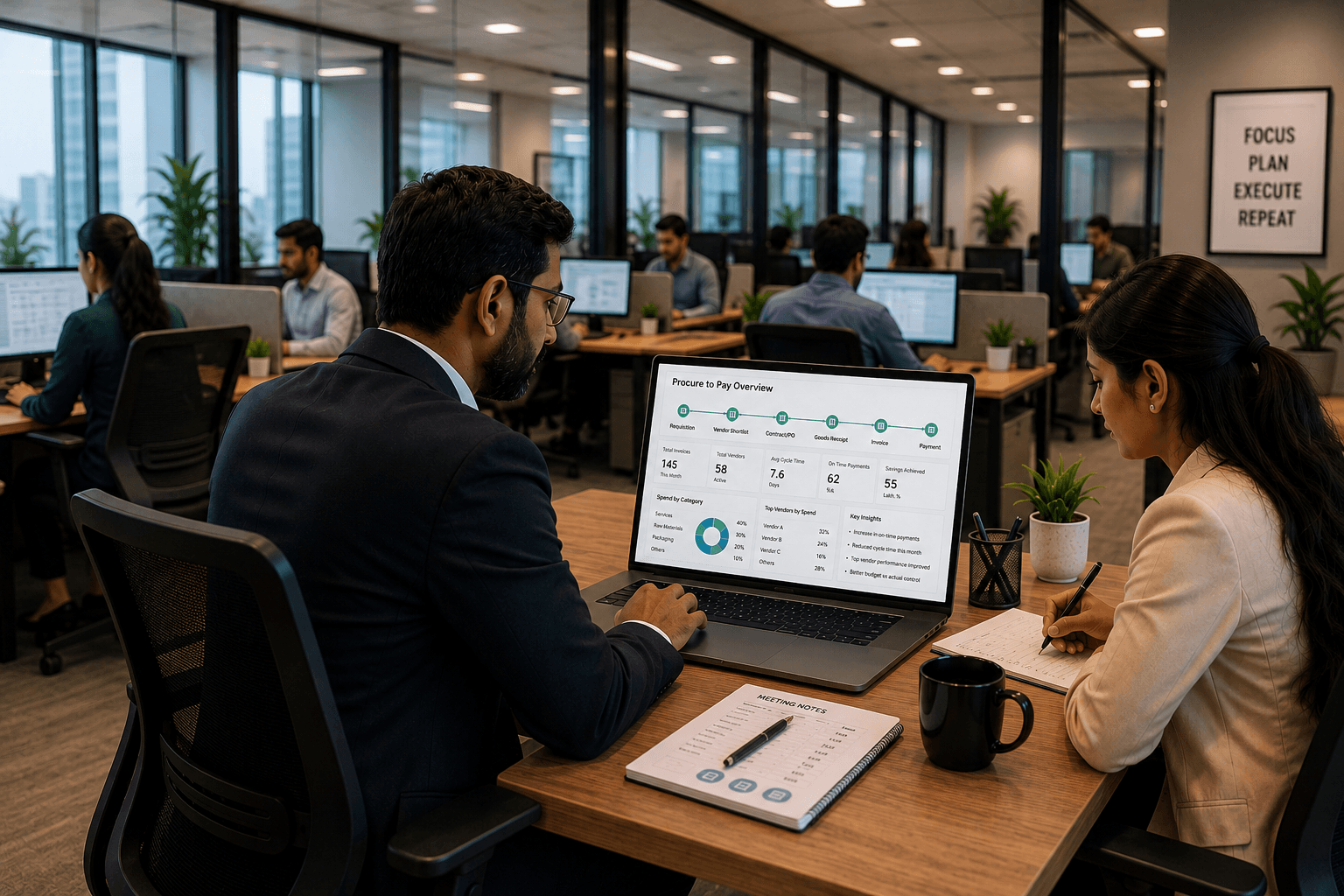
7 Proven Ways Medium and Large Enterprises Can Strengthen Their Procure to Pay Cycle
Posted on : Jul 3, 2026
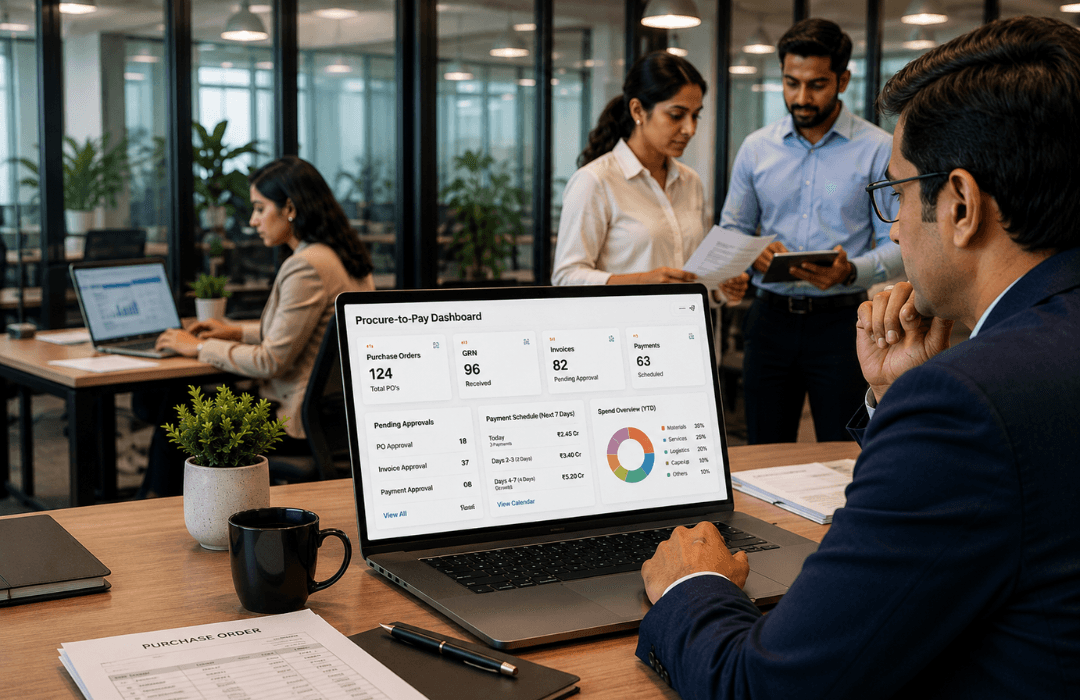
From Purchase Orders to Payments: 7 Reasons Companies are Automating Procure to Pay
Posted on : Jun 17, 2026